
Digital Marketing Updates March 2026: Complete Guide for Marketers
March 2026 has brought sweeping changes across digital marketing platforms that directly impact how you allocate budgets, optimize campaigns, and track performance. The digital marketing updates March 2026 represent the most significant shift in platform capabilities since AI integration became standard across Google, Meta, and LinkedIn.
These changes are not optional. Your competitors are already adapting. Understanding these digital marketing updates March 2026 will determine whether you maintain market advantage or fall behind. This guide breaks down every major change and shows you exactly what to do about it.
From attribution tracking to algorithm changes, these updates require immediate action. Let’s dive into each one and explore what it means for your marketing strategy.
1- Meta’s Three-Part Attribution Model for Marketers
Understanding Meta New Attribution System
Meta fundamentally changed how it tracks conversions in March 2026. The company moved from a two-model system to a three-model system. This change directly impacts how you understand which campaigns drive revenue.
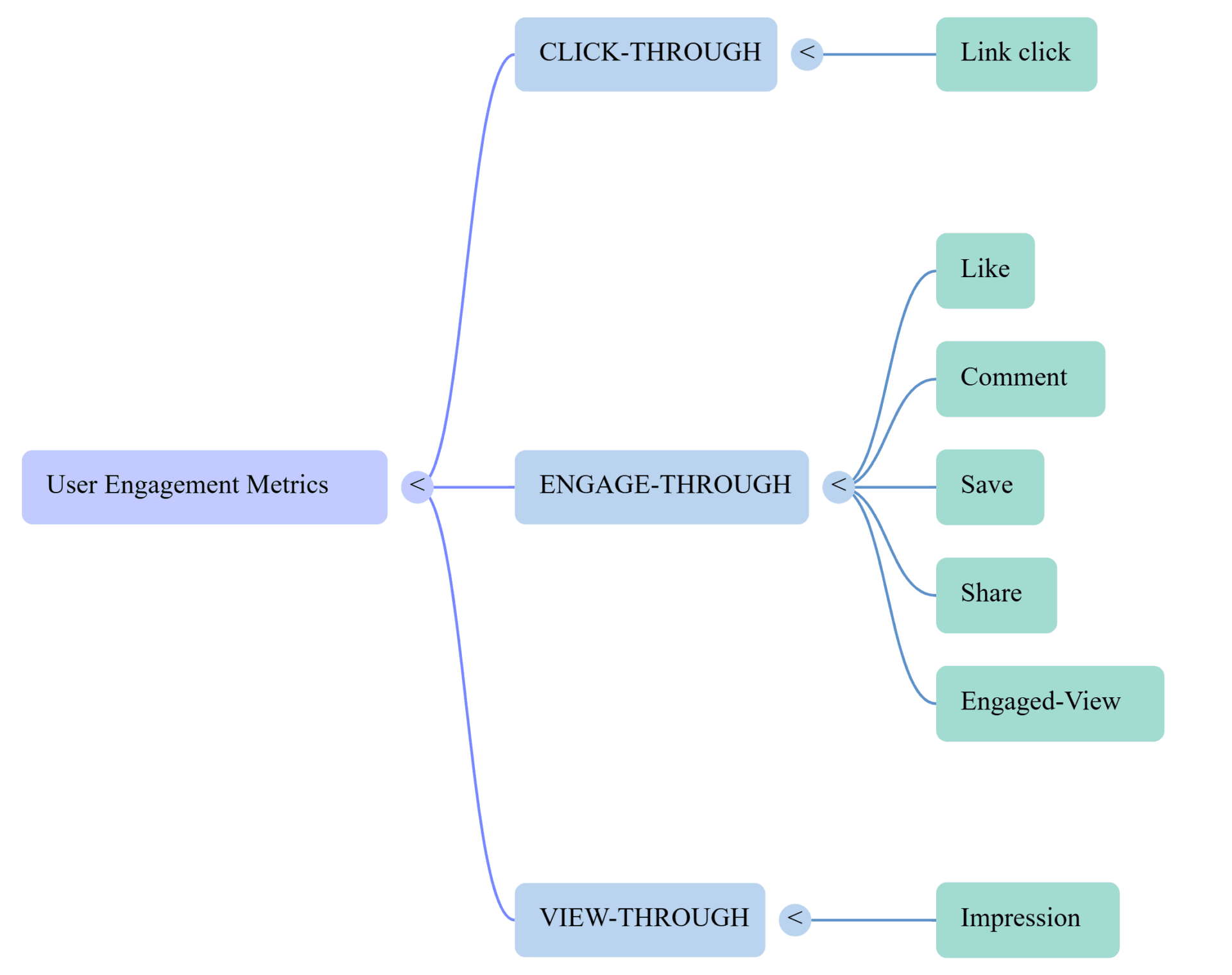
For years, Meta forced marketers into a false choice between click-through and view-based attribution. Now, Meta new attribution models provide three distinct pathways to measure how your ads drive business results.
The Three New Attribution Models Explained
1. Link Click Attribution: This is your traditional click conversion. A user clicks your ad and converts within 1 to 28 days. This is the highest-intent category and shows immediate user action. Most marketers optimized for this metric alone, which was the problem.
2. Engage Through Attribution: A user interacts with your ad through likes, comments, bookmarks, or shares. Then they convert later. This captures the middle-funnel audience that’s interested but not ready to click immediately. This engagement-to-conversion journey is now measurable.
3. View Through Attribution: A user simply sees your ad (impression). No click, no engagement, just viewing. Then they convert later. This metric is crucial for brand awareness campaigns and shows that your ad influenced decisions without requiring direct interaction.
What This Means for Your Budget Allocation
Previously, Meta lumped engagement and view attribution together. This meant you couldn’t see whether brand awareness campaigns or engagement-focused content actually drove conversions. Now you can.
This forces a critical question: Are you optimizing for the right conversion pathway? If most of your conversions come through view-through attribution, you should be spending on brand awareness. If they come through engagement, you should be funding engagement-focused content.
Many marketers will discover their campaign optimization was misaligned with actual customer behavior. This is both a problem and an opportunity. You now have the data to fix what was broken.
Immediate Action Required
Go into your Meta Ads Manager and pull attribution reports for the last 30 days. Break down conversions by the three pathways. Where does your revenue actually come from? Build your next 90-day budget allocation around this data, not assumptions.
2- Google AI Mode Optimization for Bloggers
How Google Addressed the Blogger Content Issue
For a long time, bloggers raised concerns about Google using their content in AI-generated answers without clear attribution. This led to reduced website visits, especially when users found complete answers directly in search results instead of clicking through to blogs.
Google listened and implemented a fix. Now when users ask for recipes in AI mode, Google shows website snippets for the sources that provided the content. This gives recipe bloggers traffic credit while protecting Google from PR issues.
What Content Marketers Should Know
If you create food content, recipe content, or any content that Google’s AI might extract, this change is good news. You get attributed traffic through the sidebar. Users see your source directly, not just the AI answer.
This sets a precedent. Google is acknowledging that responsible AI requires attribution. Expect similar changes for other content categories. If you’re a financial advisor, home improvement expert, health writer, or any creator of extractable content, watch for similar attribution features coming to your niche.
How to Optimize for This Change
Create content that Google’s AI actually wants to extract. This sounds backward, but it’s strategic. Better content gets extracted more, which means more sidebar visibility, which means more traffic. Focus on clear, accurate, well-structured information that AI can easily understand and use.
Use proper HTML markup. Use proper heading hierarchy. Make your content scannable. This helps AI extract it accurately, which helps you get attribution traffic.
3- Google Merchant Center for Marketing Agencies
The Problem This Solves
Agency account managers previously wasted hours switching between client accounts. Log out, log in, switch profiles, find the right client account, make changes, repeat. This inefficiency consumed massive amounts of billable time.
Google launched Merchant Center for agencies, which lets you manage all client accounts in one unified interface. This is transformative for agency workflows.
What Changed
The new agency dashboard shows all client merchant accounts simultaneously. You can update product feeds across multiple clients without switching accounts. You can generate consolidated reports across all accounts. You can assign different permission levels to team members.
This feature is currently available in the United States and Canada. Global rollout is coming. If you manage e-commerce clients, this is a game-changer for operational efficiency.
How This Impacts Your Agency
Agencies managing 5 to 50 e-commerce clients will see dramatic time savings. Estimates suggest 20 to 40 percent reduction in account management overhead. That’s time you can reallocate to strategy, client optimization, and revenue-generating activities.
If you’re not using this feature within the next 30 days, you’re leaving efficiency on the table. Your competitors are already implementing it.
4- Google’s Branded Query Filter for Performance Tracking
The Missing Analytics Piece
Search Console users finally have a feature they have requested for years. The Branded Query filter in Search Console now shows branded search performance separately from non-branded.
This matters because branded and non-branded searches tell completely different stories about your business. Brand awareness campaigns should increase branded searches. SEO efforts should increase non-branded searches. Now you can track each independently.
What You Can Measure
Filter Search Console reports to show only branded keywords. You’ll see month-by-month trending for your brand awareness. You’ll identify which branded variations drive the most traffic. You’ll spot sudden drops in branded searches, which could signal brand health issues.
This is essential data for understanding brand strength and awareness campaigns. If you’re investing in brand awareness, you need to measure results. This filter gives you that measurement.
Immediate Application
Set up branded query reports in Search Console today. Compare month-over-month branded search volume. Track this metric alongside your brand awareness ad spending. This shows whether your brand investments are working.
5- LinkedIn Feed Algorithm Changes for B2B Marketers
The Shift From Engagement Manipulation to Quality
LinkedIn updated its feed algorithm to focus on authentic and relevant content, specifically targeting engagement bait posts. Posts that ask users to “comment for X” or “like if you agree” are now being demoted.
This is significant for B2B marketers who relied on engagement bait to boost distribution. The algorithm has fundamentally shifted toward quality content that provides actual value.
Why LinkedIn Made This Change
LinkedIn’s platform was becoming filled with low-value engagement bait. Users complained about feed quality. Genuine professional content was being buried under comment-harvesting tactics. LinkedIn decided to clean this up.
The new AI-powered system analyzes post content and determines whether it provides genuine value to specific users. Posts that are genuinely useful get distributed. Posts that manipulate engagement get suppressed.
What B2B Marketers Should Do
Stop asking for engagement. Share actual insights, lessons learned, industry analysis, and professional value. Your content should stand on its own merits, not manipulate users into commenting.
This shift actually benefits marketers who create quality content. Your good posts now compete on quality rather than engagement gimmicks. Invest in content quality, not comment-begging tactics.
6- Google Shopping Sponsored Shops Feature
The New E-commerce Ad Format
Google is testing Sponsored Shop feature in shopping ads, allowing retailers to advertise entire store catalogs instead of individual products. This is a major shift in how e-commerce advertising works.
Previously, you’d create separate ads for each product. Now you can create one ad that represents your entire store. When users click, they see your full product range and can browse freely.
Why This Matters for E-commerce Marketers
Sponsored Shops create multiple benefits. Users spend more time browsing your inventory. They’re more likely to find what they want, even if they didn’t initially search for your specific products. You get credit for sales across your entire catalog, not just the advertised product.
This feature particularly benefits stores with broad product ranges. A shoe retailer with hundreds of styles can advertise their entire collection rather than one specific shoe model.
Testing and Implementation
If you manage e-commerce accounts, test Sponsored Shops immediately. Set up campaigns for your top-performing product categories. Track average order value, browse time, and conversion rates. Compare this against traditional single-product shopping ads.
Early adopters will learn the optimization patterns before this feature becomes standard. By the time all competitors have access, you’ll already understand how to maximize performance.
7- Google Personal Intelligence for Personalization
Hyper-Personalized AI Answers
Google launched Personal Intelligence in Gemini app and web, integrating personal data into AI-generated answers. This is a fundamental shift in how AI answers questions.
Personal Intelligence accesses user Gmail, Google Drive, and Google Photos to provide customized answers. Instead of generic information, users get answers tailored to their specific situation.
Implications for Digital Marketers
This feature creates new opportunities for personalized marketing. If a user asks Google’s AI a question, and that AI accesses their personal context, the answer becomes more specific and relevant. This means ads and content that align with this personalized experience will perform better.
For example, if someone asks “What car should I buy?” and Google accesses their photos to see their current car, the recommendation becomes specific to their actual vehicle needs. A marketer selling cars would benefit from understanding these personalization signals.
Privacy and Future Monetization
Google claims Personal Intelligence answers won’t show ads initially. However, this is clearly a stepping stone to ad-supported personalization. Expect ads to appear in Personal Intelligence answers within 6 to 12 months.
The fundamental business model hasn’t changed. Google makes money from advertising. Personal Intelligence is too valuable a feature to keep ad-free forever. Plan accordingly.
8- New E-commerce Button Requirements
The Technical Change E-commerce Marketers Must Know
Google updated e-commerce guidelines requiring out-of-stock products to have visibly disabled purchase buttons. This isn’t just a visual preference. This is a requirement.
When products are out of stock, the “Buy Now” and “Add to Cart” buttons must appear greyed out or disabled. The buttons must be non-functional. You can’t simply update the stock status and call it done.
Why Google Cares
From Google’s perspective, users shouldn’t attempt to purchase out-of-stock items. When they do, it creates a poor user experience that reflects badly on Google. Disabled buttons prevent user frustration.
From a practical standpoint, this reduces support tickets for both e-commerce stores and payment processors. Users immediately see that products aren’t available rather than discovering this after clicking “Add to Cart.”
Implementation for Your Store
Audit your website today. Find all out-of-stock products. Verify that purchase buttons are visually disabled (greyed out, crossed out, or otherwise marked as unavailable). Test the buttons to ensure they don’t function.
This is a technical requirement, not optional guidance. Non-compliance could impact your visibility in Google Shopping results.
9- Google’s March Spam Update Impact
The Quick Spam Crackdown
Google launched a spam update on March 24 to 25, completing rollout in just 24 hours. This was the shortest spam update rollout on record. The speed indicates Google’s confidence in the spam detection improvements.
The update targeted Google’s Spam Brain AI system, which identifies low-quality and spam content. If your site was affected, recovery requires genuine quality improvements, not quick fixes.
What Counts as Spam in 2026
Google’s spam definition has evolved to catch more sophisticated tactics. Generic AI-generated content, thin affiliate content, auto-generated pages, and low-value content all qualify as spam now. Spammy link building tactics are caught more reliably.
If your site dropped significantly after this update, audit your content quality. Do you have pages that provide genuine value? Are your articles original? Is your site authoritative in your niche?
Recovery Strategy
If you were impacted, recovery isn’t quick. It requires creating genuinely useful content that serves your audience. It requires establishing authority and trustworthiness. It requires time for Google to re-evaluate your site.
Don’t waste time on quick fixes. Invest in long-term quality improvements.
10- YouTube AI Summaries Testing
Removing Video Titles from Discovery
YouTube is testing AI summaries instead of video titles in the feed. Instead of seeing “My Best Marketing Tips 2026,” users would see an AI-generated summary of the video content.
This change affects how videos are discovered and clicked. Your carefully crafted titles might not be visible to users browsing the YouTube feed.
Impact on Video Marketers
Title optimization is fundamental to YouTube success. Titles drive clicks. If YouTube removes titles from the feed, your click-through rates could change dramatically. Some creators will see improvements if their content is better described by AI summaries. Others will see drops if AI summaries don’t capture their value proposition.
This test is still in early stages. Monitor your YouTube analytics closely if this change rolls out to your channel. Track whether click-through rates improve or decline.
Strategic Response
Create video content that’s compelling even without relying on clever titles. Focus on thumbnails and content clarity. A thumbnail that shows the actual benefit of your content matters more if titles aren’t visible.
Also ensure your video content is clear enough for AI to summarize accurately. If an AI summarizer struggles to understand what your video is about, viewers won’t find it.
11- Google Veo Integration in Google Ads
AI Video Generation for Ad Campaigns
Google launched Veo video generation in Google Ads, allowing advertisers to generate video ads using AI. This transforms how quickly you can create video content for campaigns.
Veo analyzes your product images and creates short video ads automatically. Instead of hiring videographers or waiting weeks for video production, you can generate ads in minutes.
What This Means for Digital Marketers
Video ad production is no longer a bottleneck. You can test multiple video variations quickly. You can create videos for seasonal campaigns on short notice. You can scale video campaigns across multiple products without massive production costs.
This doesn’t replace professional video production. But it dramatically speeds up ad creative generation, which is valuable for testing and scaling.
Testing Veo for Your Campaigns
If you run Google Ads campaigns, test Veo immediately. Generate video ads for your top-performing products. Run them as Performance Max campaigns. Compare video ad performance against static image ads. Most marketers will find video ads outperform images, especially in competitive categories.
This tool is still early, but adoption will spread quickly. Early adopters will understand how to optimize AI-generated videos before competitors learn.
Frequently Asked Questions (FAQs)
What are the digital marketing updates March 2026?
The major digital marketing updates March 2026 include Meta’s new three-part attribution model, Google’s AI recipe attribution, Merchant Center for agencies, LinkedIn’s algorithm changes, Google Shopping’s Sponsored Shops feature, Google Personal Intelligence expansion, new e-commerce button requirements, Google’s spam update, YouTube AI summaries testing, and Google Veo video generation in ads.
How does Meta’s new attribution model affect my ad spending?
Meta’s new three-part attribution model breaks down conversions into Link Click Through, Engage Through, and View Through categories. This allows you to see which conversion pathway drives your revenue. You can optimize your budget allocation based on actual data rather than assumptions about how users convert.
Should I change my LinkedIn content strategy?
Yes. LinkedIn’s new algorithm demotes engagement bait posts. Focus on creating genuinely valuable content. Share insights, lessons, and professional value. Posts that manipulate comments will see reduced distribution.
How does Google’s Personal Intelligence impact my marketing?
Google Personal Intelligence creates hyper-personalized AI answers based on user data. This means marketing messages that align with personalized experiences will perform better. It also means ads could appear in Personal Intelligence answers in the future.
What’s the impact of YouTube’s AI summary test?
If YouTube removes titles from video feeds, video discovery depends more on thumbnails and AI-generated summaries. Monitor your channel’s click-through rate if this change affects you. Focus on clear thumbnails and video content that’s easy for AI to summarize accurately.
Should I test Google Shopping’s Sponsored Shops feature?
Yes, especially if you have a broad product range. Sponsored Shops let you advertise your entire catalog instead of individual products. This increases browsing time and average order value for many e-commerce stores.
How do I optimize for Google’s new e-commerce button rules?
Ensure out-of-stock products have visually disabled and functionally non-working purchase buttons. This is a requirement, not optional. Audit your store today and make changes immediately if needed.
What’s the impact of Google’s spam update?
Google’s spam update targets low-quality, AI-generated, and thin-value content. If you were impacted, recovery requires genuine content quality improvements, not quick fixes. Focus on creating original, authoritative content that serves your audience.
How can I use Google Veo for my ad campaigns?
Google Veo generates video ads from product images within Google Ads. Test Veo-generated videos for your campaigns. Video ads typically outperform static images. Veo eliminates the bottleneck of video production for campaign testing and scaling.
How do I measure branded search performance?
Use Google Search Console’s new Branded Query filter to isolate branded search traffic. Track month-over-month branded search volume separately from non-branded searches. Use this to measure brand awareness campaign effectiveness.
Conclusion
Digital marketing updates March 2026 represent significant platform evolution. These aren’t minor tweaks. These are fundamental changes in how platforms track, distribute, and monetize marketing efforts.
The good news: these changes reward marketers who focus on quality, clarity, and genuine value. The marketer who creates great LinkedIn content benefits from the algorithm’s shift toward authenticity. The advertiser who understands the new Meta attribution pathways can optimize more effectively. The e-commerce business that embraces Sponsored Shops gains competitive advantage.
These updates aren’t things to fear. They’re opportunities to differentiate from competitors who move slowly. The businesses that implement these changes first will understand what works before competitors catch up.